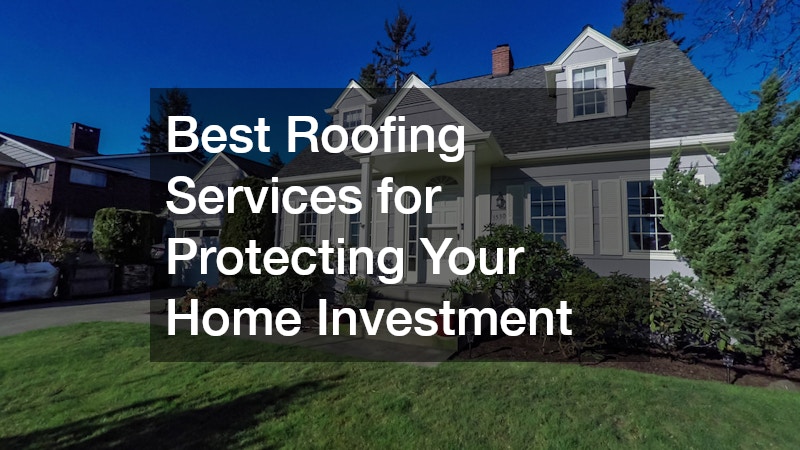
Your home is one of the biggest financial investments you will ever make, and the condition of its exterior plays a major role in protecting that investment. From keeping moisture out to improving energy efficiency and maintaining curb appeal, a strong roofing system helps preserve your property’s value for years to come.
Unfortunately, many homeowners wait until major leaks or visible damage appear before taking action. By that point, repair costs are often significantly higher than they would have been with preventative care. Understanding how to maintain your roof, drainage systems, and exterior surfaces can help you avoid costly surprises while improving the long-term safety and durability of your home.
This guide explains the most important steps homeowners can take to keep their property protected year-round, including maintenance strategies, material choices, and smart planning tips that help prevent expensive structural issues.
Know the Warning Signs Before Problems Get Worse
One of the most important ways to protect your home is by recognizing early signs of damage before they develop into major structural concerns. Catching these issues early can help homeowners avoid expensive emergency repairs and unnecessary stress. Many homeowners ignore small issues because they appear cosmetic at first, but even minor roofing problems can quickly spread.
Common warning signs include:
- Water stains on ceilings or walls
- Missing, cracked, or curling shingles
- Mold or mildew growth in the attic
- Sagging roof sections
- Granules are collecting in gutters
- Increased indoor humidity levels
Scheduling roof repair at the first sign of trouble can prevent much larger expenses later. Small leaks often travel through insulation, wood framing, and drywall before becoming visible inside the home.
After severe weather, inspect your roof for:
- Wind-lifted shingles
- Hail impact marks
- Damaged flashing around vents
- Tree limb damage
- Moisture around chimneys and skylights
Professional inspections are especially important after storms because some forms of damage are difficult to identify from the ground. A qualified contractor can detect hidden vulnerabilities that homeowners might miss.
Routine maintenance also extends the lifespan of roofing materials and helps preserve your property value. Even simple preventative measures can reduce long-term repair costs dramatically.

Work With Experienced Professionals You Can Trust
Choosing qualified professionals is one of the most important decisions homeowners make when planning exterior improvements. Hiring experienced specialists can make the difference between a long-lasting upgrade and repeated future problems. Reliable roofers provide quality workmanship, proper installation techniques, and honest evaluations that protect your investment over time.
Before hiring a contractor, verify:
- State licensing and insurance coverage
- Manufacturer certifications
- Years of local experience
- Online reviews and ratings
- Warranty details
- Written estimates
Many roofing services include inspections, repairs, replacements, ventilation upgrades, and preventative maintenance programs. Understanding exactly what is included in a proposal helps avoid misunderstandings later.
When comparing contractors, avoid making decisions based solely on price. Extremely low bids often signal:
- Inferior materials
- Inexperienced labor
- Lack of insurance
- Hidden fees
- Shortcuts during installation
Instead, focus on overall value. A properly completed project may cost more upfront but can save thousands in future repairs and energy costs.
It is also smart to ask contractors about:
- Cleanup procedures
- Timeline expectations
- Permit handling
- Emergency repair availability
- Communication processes during the project
Working with reputable professionals ensures your home receives durable protection designed to withstand harsh weather conditions for years.
Select Durable Materials That Match Your Climate
The materials used on your home significantly impact durability, efficiency, and maintenance needs. Choosing products suited for your local environment can dramatically improve long-term performance and reduce repair frequency. A successful roof installation begins with selecting products designed for your local climate conditions.
Popular roofing materials include:
- Asphalt shingles
- Metal roofing
- Clay or concrete tile
- Slate roofing
- Synthetic composite products
Each option offers different benefits. Asphalt shingles remain popular because they are affordable and versatile, while metal roofing provides excellent longevity and energy efficiency.
Climate considerations matter when choosing materials:
- Hot climates benefit from reflective roofing systems
- Snow-heavy regions require durable ice protection
- Coastal homes need corrosion-resistant materials
- High-wind areas require reinforced fastening systems
Ventilation is another essential component homeowners often overlook. Poor attic ventilation can:
- Trap heat and moisture
- Increase utility costs
- Shorten the material lifespan
- Cause mold growth
- Lead to structural deterioration
Proper installation techniques are equally important. Even premium materials can fail early if installed incorrectly. Working with experienced professionals helps ensure flashing, underlayment, and ventilation systems perform properly.
Energy-efficient upgrades may also reduce monthly utility bills. Reflective roofing products help stabilize indoor temperatures while reducing strain on HVAC systems.
Improve Drainage Around the Home
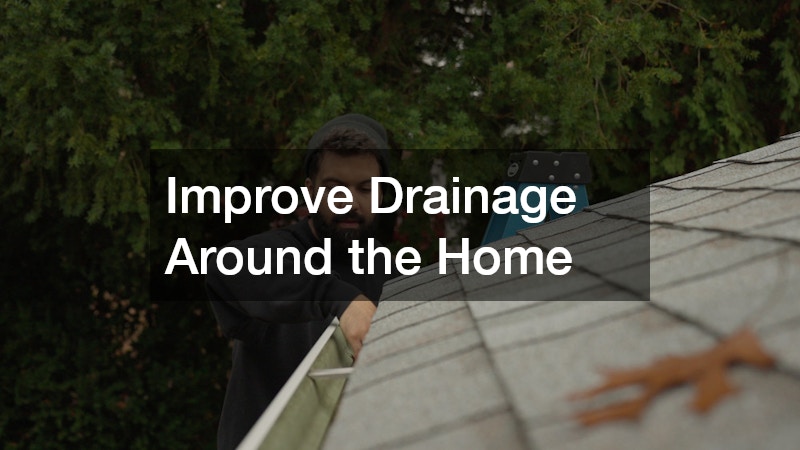
Water management plays a major role in preventing exterior damage. Proper drainage helps protect not only your roof, but also your foundation, landscaping, and siding from costly moisture issues. Without proper drainage, moisture can collect around the roofline, foundation, and siding, eventually causing expensive structural issues.
Seamless gutters are designed to reduce leaks and improve water flow compared to traditional sectional systems. Because they contain fewer joints, they are less likely to separate or clog over time.
Benefits of upgraded drainage systems include:
- Reduced foundation erosion
- Better protection against basement leaks
- Improved siding protection
- Lower risk of roof edge rot
- Enhanced curb appeal
Proper sizing is also important. Homes located in areas with heavy rainfall may require larger gutter systems to manage increased water volume effectively.
Homeowners should regularly inspect gutters for:
- Sagging sections
- Overflow during storms
- Rust or corrosion
- Loose fasteners
- Water is pooling near the foundation
Routine maintenance helps extend the lifespan of the entire roofing system by directing water safely away from the home.
Prevent Clogs and Overflow Before Damage Starts
Blocked drainage systems are one of the leading causes of moisture-related exterior damage. Taking preventative action early can reduce maintenance demands and help homeowners avoid expensive water-related repairs. Leaves, pine needles, and debris can quickly clog gutters, forcing water back toward the roof and siding.
Installing leaf guards helps minimize buildup while improving water flow throughout the year. These protective systems reduce maintenance demands and help prevent overflow during storms.
Many homeowners also benefit from professional gutter guard service programs that include:
- Seasonal inspections
- Debris removal
- System flushing
- Minor repairs
- Fastener adjustments
Different protection systems work better for different environments. For example:
- Fine mesh systems work well in wooded areas
- Reverse curve systems handle heavy rainfall efficiently
- Foam inserts are inexpensive but may require frequent replacement
Clog prevention is especially important during the fall and winter months when debris accumulation increases.
Overflowing gutters can cause:
- Fascia board rot
- Soil erosion
- Ice dam formation
- Foundation cracking
- Mold growth
By reducing standing water and improving drainage efficiency, homeowners can avoid many expensive exterior repairs while protecting the structural integrity of the property.
Know When Repairs Are No Longer Enough
At some point, ongoing repairs may become less cost-effective than a complete replacement. Understanding when to transition from smaller fixes to major upgrades can help homeowners make smarter long-term financial decisions. Understanding when to transition from maintenance to larger upgrades helps homeowners make smarter financial decisions.
Roof replacement services are often recommended when:
- Roofing materials exceed their expected lifespan
- Leaks occur repeatedly
- Structural decking becomes damaged
- Large sections show deterioration
- Storm damage affects multiple areas
Common lifespan estimates include:
- Asphalt shingles: 20–30 years
- Metal roofing: 40–70 years
- Tile roofing: 50+ years
Although replacement projects require a larger upfront investment, they often provide:
- Improved energy efficiency
- Better weather resistance
- Increased resale value
- Reduced maintenance costs
- Enhanced curb appeal
Insurance coverage may help offset some replacement costs after storm damage. Homeowners should document issues carefully and schedule professional inspections quickly after major weather events.
Budget planning is also important. Many contractors offer financing options that allow homeowners to spread project costs over time while addressing urgent structural concerns immediately.
Coordinate Exterior Upgrades for Better Protection
Exterior systems work together to protect the home as a whole. Coordinating improvements at the same time often creates stronger protection and better long-term value for homeowners. Roofing, siding, gutters, and ventilation all contribute to preventing moisture intrusion and structural deterioration.
Experienced siding contractors often recommend coordinating projects when possible because combined upgrades improve efficiency and appearance simultaneously.
Benefits of bundled exterior improvements include:
- Consistent design aesthetics
- Better moisture protection
- Reduced labor costs
- Improved energy efficiency
- Fewer scheduling disruptions
Damaged siding can allow moisture to penetrate wall systems, especially when roofing drainage problems already exist. Addressing both issues together creates a stronger protective barrier against the elements.
Homeowners should also consider:
- Insulation upgrades
- Exterior trim replacement
- Fascia and soffit repairs
- Window sealing improvements
Coordinated renovations often increase resale value because buyers appreciate homes with recently updated exterior systems.
Planning improvements strategically helps homeowners maximize long-term durability while minimizing future repair expenses.
Schedule Routine Maintenance Every Year
Consistent maintenance is one of the best ways to extend the life of your home’s exterior systems. Even small yearly inspections can uncover hidden problems before they grow into major structural concerns. Annual inspections help identify developing problems before they become severe.
A trusted residential roofer can evaluate:
- Shingle condition
- Flashing integrity
- Ventilation performance
- Moisture intrusion
- Structural stability
Seasonal maintenance tasks homeowners can perform include:
- Clearing debris from gutters
- Trimming overhanging branches
- Checking attic insulation
- Monitoring interior ceilings for stains
- Inspecting exterior surfaces after storms
Professional inspections are especially valuable because contractors can safely access areas that homeowners cannot easily examine.
Creating a yearly maintenance calendar helps homeowners stay organized:
- Spring: Storm damage inspections
- Summer: Ventilation checks
- Fall: Drainage cleaning
- Winter: Ice dam monitoring
Documentation is also useful for future resale purposes. Buyers often feel more confident purchasing homes with detailed maintenance records showing consistent care.
Routine upkeep may seem minor, but it significantly reduces the likelihood of unexpected emergency repairs.
Compare Costs Carefully Before Making Decisions
Homeowners often feel pressure to choose the lowest estimate when planning exterior projects. Looking beyond the initial price tag can help homeowners avoid poor workmanship and additional future expenses. However, focusing only on price can lead to expensive problems later.
Quality roofing services usually include:
- Better workmanship warranties
- Higher-grade materials
- Thorough inspections
- Proper ventilation planning
- Reliable communication
Meanwhile, repeated roof repair costs can add up quickly when underlying structural issues are ignored.
When reviewing estimates, compare:
- Material specifications
- Warranty coverage
- Labor details
- Cleanup procedures
- Project timelines
It is also wise to ask contractors whether pricing includes:
- Permit fees
- Disposal costs
- Flashing replacement
- Ventilation upgrades
- Decking repairs, if needed
Preventive maintenance often costs far less than emergency restoration projects. Spending strategically today can reduce future financial strain while protecting property value.
Homeowners should also evaluate financing options carefully. Flexible payment plans may make larger improvements more manageable without sacrificing quality.
Build a Stronger Long-Term Protection Plan
Protecting your home requires more than reacting to visible damage. Developing a long-term strategy helps homeowners stay ahead of costly repairs while improving overall property durability. A proactive maintenance strategy helps prevent major problems while extending the lifespan of exterior systems.
Combining roof replacement services with upgraded seamless gutters creates a more complete defense against moisture damage. Coordinated improvements help every part of the exterior system function together more effectively.
A long-term protection plan should include:
- Annual professional inspections
- Seasonal maintenance routines
- Prompt storm damage assessments
- Drainage system upkeep
- Budget planning for future upgrades
Homeowners should also monitor nearby trees and landscaping. Overhanging branches increase the risk of impact damage and debris accumulation, especially during storms.
Additional preventative measures include:
- Improving attic ventilation
- Upgrading insulation
- Monitoring indoor humidity
- Addressing small leaks immediately
- Keeping drainage pathways clear
By treating exterior maintenance as an ongoing investment rather than a one-time project, homeowners can reduce stress and avoid many costly surprises.
Protect Your Property With Proactive Exterior Care
Protecting your home requires consistent attention, smart planning, and timely maintenance. Taking preventative steps now can help homeowners avoid major structural issues and preserve property value for many years. From preventing water intrusion to improving energy efficiency and preserving curb appeal, proactive exterior care helps safeguard one of your most valuable assets.
Small issues can quickly escalate when ignored, but regular inspections and strategic upgrades make a major difference in long-term durability. By working with experienced professionals, choosing quality materials, and maintaining strong drainage systems, homeowners can reduce repair costs while improving the safety and value of their property.
Investing in preventative care today helps ensure your home remains secure, efficient, and structurally sound for many years to come.
