
A home does more than provide shelter. It supports daily routines, protects belongings, and creates a place where family members can relax. However, even a well-built house needs consistent attention as materials age, weather changes, and everyday use gradually affects its condition. Addressing small concerns early can make maintenance more manageable and help preserve the comfort of each room.
Protecting a property also means looking beyond obvious cosmetic updates. Moisture can enter through damaged roofing, shifting soil can affect structural stability, and neglected outdoor features can introduce safety concerns. A thoughtful maintenance plan considers the entire property, from the roof and foundation to the yard and driveway. This approach helps homeowners decide which projects require immediate attention and which improvements can be scheduled over time. A written checklist makes it easier to track recurring tasks, compare priorities, and avoid forgotten repairs throughout the coming year.
The following projects offer practical ways to care for an existing home while making its spaces more attractive, functional, and enjoyable. Prioritizing work according to condition, safety, and household needs can help stretch a renovation budget without overlooking essential repairs.
Inspect and Maintain Your Roof
The roof is one of the home’s first defenses against rain, snow, wind, and temperature changes. Missing shingles, deteriorated flashing, clogged gutters, and damaged vents can allow water to reach areas that are difficult to inspect. Small leaks may eventually damage insulation, ceilings, and framing, so regular visual checks are worthwhile. Look for discoloration inside the attic, staining on ceilings, or debris that suggests roofing materials have loosened. Photographing the same trouble spots annually also makes gradual changes easier to recognize and explain during an inspection.
Homeowners can inspect the roof safely from the ground, especially after strong storms. Binoculars may help identify uneven shingle lines or exposed areas without climbing onto the structure. If anything appears damaged, local roofers can evaluate the roofing system, explain whether repairs are appropriate, and identify other conditions that may need attention. Professional inspections are especially helpful for roofs nearing the end of their expected service life.
Roof care also includes managing the surrounding drainage system. Gutters and downspouts should direct water away from siding, walkways, and the foundation. Remove accumulated leaves when it is safe to do so, and check that downspout extensions remain connected. Keeping nearby branches from rubbing against roofing materials can reduce wear during windy weather. When repairs are necessary, request a clear scope of work and ask how the contractor will protect landscaping and other parts of the property.

Protect Your Foundation From Moisture
A stable foundation supports the walls, floors, and other structural components of a house. Changes in soil moisture, poor drainage, and natural settling can create problems that become more expensive when ignored. Warning signs may include widening cracks, doors that suddenly stick, sloping floors, or water entering a basement. Not every crack signals a serious structural issue, but changes over time deserve careful attention.
Start by examining the ground immediately surrounding the house. Soil should generally slope away from exterior walls, allowing surface water to move toward suitable drainage areas. Check that downspouts discharge far enough from the building and that garden beds do not trap moisture against foundation surfaces. Avoid placing heavy planters or storing materials where they obstruct drainage openings or prevent routine inspections.
When cracks grow, water intrusion persists, or movement becomes noticeable, a qualified professional can assess whether foundation repair is needed. Depending on the underlying cause, work might involve drainage corrections, crack sealing, stabilization, or other structural measures. The right solution depends on site conditions rather than the visible symptom alone. Document changes with dated photographs, and ask for an explanation of the cause before agreeing to extensive work. Addressing drainage and structural concerns together offers a better chance of preventing recurring damage.
Maintain Garage Doors and Plumbing Systems
Two systems that homeowners rely on every day are the garage door and household plumbing. Both can appear dependable until a small malfunction interrupts the routine. A noisy garage door, for example, might indicate worn rollers, loose hardware, or problems with its track alignment. A door that reverses unexpectedly or fails to close fully may also need attention. Because springs and cables operate under significant tension, their adjustment is best left to trained technicians.
Scheduling garage door repair when movement becomes irregular can help prevent further damage and restore reliable access. Homeowners can perform simple checks, such as keeping the travel path clear and testing safety reversal features according to the manufacturer’s instructions. Avoid forcing a malfunctioning door or attempting to replace high-tension components independently. Periodic lubrication and hardware inspections should follow the recommendations for the specific door and opener.
Plumbing maintenance deserves similar attention. Slow sinks, recurring odors, and frequent backups can suggest developing restrictions within the drainage system. Professional drain cleaning can remove accumulated material and help identify whether the trouble involves a localized blockage or a larger line. To reduce future clogs, keep grease out of kitchen drains, use appropriate strainers, and avoid flushing items that do not break down readily. Fix dripping fixtures promptly, and learn where the main water shutoff is located before an emergency occurs.

Refresh Floors and Interior Spaces
Interior improvements can make a familiar house feel noticeably different without changing its overall layout. Floors cover large areas, influence the appearance of every room, and experience constant wear from shoes, furniture, pets, and spills. Scratches, loose boards, cracked tiles, and persistent moisture damage may indicate that a surface needs more than routine cleaning. Before choosing new materials, consider how each room is used and what maintenance the household can realistically manage.
Professional flooring installation can create a cohesive appearance while addressing uneven surfaces or damaged underlayment where necessary. Hardwood adds warmth but may require more attention in moisture-prone locations. Luxury vinyl can offer a different balance of durability and easy cleaning, while tile is useful in many kitchens, bathrooms, and entryways. Product suitability varies, so follow the manufacturer’s guidance for moisture exposure, subfloor preparation, and installation methods.
Think about how flooring colors interact with walls, cabinets, and natural light. Neutral finishes can provide flexibility when furniture or decorating styles change, while textured materials may make busy spaces feel more inviting. Transitions between rooms should be planned carefully to avoid awkward height differences and tripping hazards. It is also worthwhile to protect newly finished floors with furniture pads, entry mats, and a cleaning routine appropriate for the material. These details help an interior update stay attractive after the installation work is complete.
Improve Decks and Outdoor Living Areas
Outdoor areas extend the usable space of a home, providing room for meals, conversation, gardening, and relaxation. A deck can create a convenient transition between indoor rooms and the yard, but exposure to moisture and sunlight gradually wears down many materials. Loose railings, soft boards, unstable stairs, and corroded fasteners should be evaluated before the space is used for gatherings. Safety must take priority over cosmetic changes.
Experienced deck builders can help homeowners determine whether an aging structure needs selective repairs, major reconstruction, or complete replacement. They can also explain options for layout, stair placement, railing styles, and surface materials. Pressure-treated wood offers a familiar appearance but typically requires periodic care. Composite boards have different maintenance characteristics, though the framing, connections, and drainage beneath them still need inspection. Whatever material is selected, proper structural support matters more than decorative features.
Once the deck is secure, smaller improvements can make it more comfortable. Shade structures, suitable outdoor furniture, and lighting can support use throughout different parts of the day. Keep planters positioned so they do not hold excess moisture against boards, and leave enough space for people to move safely around seating. If a project changes the deck’s footprint or height, check applicable building requirements before construction. A well-planned outdoor area should be easy to maintain as well as enjoyable to use.
Clean and Preserve Exterior Surfaces
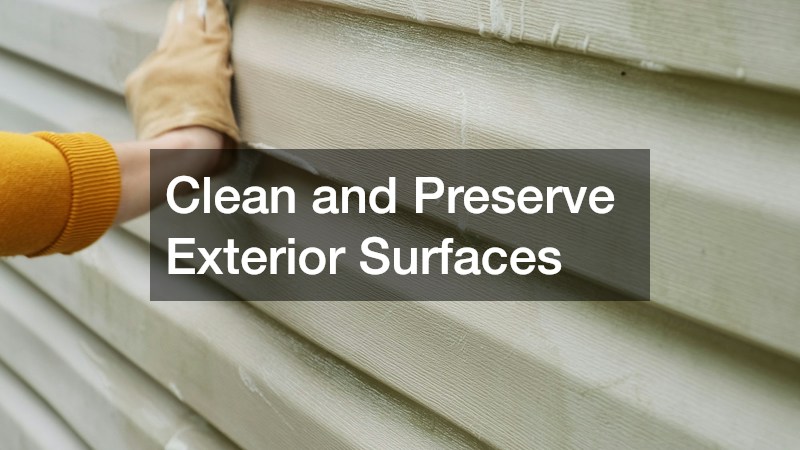
Exterior finishes face constant exposure to dirt, pollen, rain, algae, and airborne debris. Over time, these materials can discolor siding, make walkways slippery, and leave patios looking neglected. Regular cleaning improves appearance and creates an opportunity to notice peeling paint, open joints, and other maintenance concerns. However, the method used should match the surface, since excessive force can damage wood, masonry, siding, and window seals.
A pressure washing service may be useful for suitable hardscapes and exterior areas with stubborn buildup. Before hiring a provider, discuss which materials require gentler cleaning methods, what detergents will be used, and how nearby plants will be protected. Certain surfaces are better suited to low pressure washing or hand cleaning. Paint that is already peeling, loose mortar, and deteriorated trim may need repairs before any washing begins.
Homeowners can support exterior upkeep with simpler habits between professional cleanings. Sweep walkways, remove leaves from corners where moisture collects, and rinse light dirt from surfaces when the manufacturer recommends it. Inspect caulking around doors and windows for gaps, and watch for water that pools near steps or entrances. Cleaning alone cannot correct failed seals or drainage problems, but it can reveal issues that deserve attention. Coordinating surface maintenance with seasonal inspections helps preserve curb appeal without overlooking the property’s condition.
Manage Trees and Landscaping Safely
Healthy trees can provide shade, visual interest, and a sense of privacy, but their size and location require thoughtful management. Limbs extending over the roof, branches interfering with utility lines, and roots affecting paved surfaces may introduce risks. After storms, inspect the yard from a safe distance for hanging branches, newly exposed roots, or trees that have developed an unusual lean. Avoid approaching damaged trees or attempting work near electrical lines.
Regular care from local tree trimming services can help maintain clearance around structures and improve the condition of selected branches. Appropriate pruning depends on tree species, season, age, and overall health. Removing excessive foliage can stress a tree, so pruning should have a specific purpose rather than simply reducing its size. For mature trees or complicated locations, look for professionals with relevant arboricultural training and insurance.
Sometimes pruning cannot resolve a serious hazard. Tree removal services may be necessary when a tree is dead, structurally unstable, severely diseased, or positioned where it creates an unacceptable risk. An evaluation should consider whether treatment or targeted pruning offers a reasonable alternative. After removal, homeowners can plan replacement plantings that suit the available space and avoid crowding buildings as they mature. Keep shrubs away from siding, maintain clear drainage routes, and choose plants that fit the property’s sunlight and soil conditions. A manageable landscape supports the home’s appearance without creating avoidable maintenance problems.

Upgrade Driveways and Plan Future Repairs
A driveway affects both the everyday convenience and first impression of a property. Cracks, uneven sections, drainage problems, and worn edges can make parking difficult and create hazards for pedestrians. Before replacing the surface, identify why damage occurred. Poor base preparation, heavy vehicle loads, tree roots, and freeze-thaw cycles can contribute to deterioration, and new material may fail again if the cause remains untreated.
A paver driveway offers one option for homeowners interested in a distinct appearance and individual units that can sometimes be lifted for repairs. Proper excavation, a stable base, edge restraints, and appropriate drainage are essential to its performance. Pavers come in different textures and patterns, making it possible to complement the house’s exterior without creating an overly busy design. Compare installation requirements, ongoing maintenance, and total costs before choosing between pavers and other driveway materials.
Finally, create a realistic schedule for the property’s remaining needs. Put urgent safety hazards and active water intrusion ahead of cosmetic projects, then group related jobs when that reduces disruption. Keep inspection notes, estimates, product warranties, and receipts in one place. Set aside funds for unexpected repairs, and review priorities at least once a year as conditions change. Protecting a home is an ongoing process, not a single renovation. Regular evaluations clarify which projects deserve attention next. With informed planning, consistent maintenance, and carefully chosen upgrades, homeowners can preserve important systems while making the property more welcoming for years to come.
