The hidden reality of homeownership is that the purchase price is merely a down payment on a continuous relationship with your property. For most families, a home is the largest financial asset they will ever own. Yet, it is an asset constantly under siege by the elements, physical wear, and the simple passage of time. The most significant financial drain on a homeowner rarely comes from a single, catastrophic event; instead, it stems from the compounding cost of deferred maintenance.
Weatherproofing and Protecting the Structural Envelope
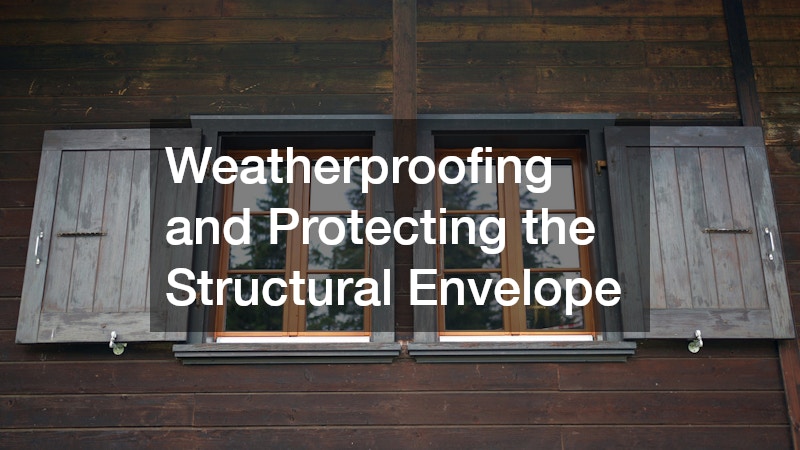
Your home’s exterior envelope is its first line of defense against rain, snow, wind, and temperature extremes. Maintaining this barrier is critical because once moisture penetrates the outer shell, structural degradation begins almost immediately.
Inspecting Vertical Openings and Glazing
Windows are inherently vulnerable points in your home’s thermal and structural envelope. Over the years, the building shifts, materials expand and contract, and the sealants originally used to keep weather out begin to fail.
-
Inspect the exterior perimeter of every window frame at least once a year. Look for cracking, peeling, or gaps in the caulk line. If you find gaps, scrape away the old material entirely before applying a high-quality polyurethane or silicone exterior caulk.
-
Examine the adjustable weatherstripping along the window sashes. If it has become flattened, brittle, or torn, replace it immediately to prevent drafts and moisture intrusion.
-
Monitor the space between double or triple-paned windows. If you notice persistent fogging, condensation, or a hazy film between the panes, it indicates that the factory gas seal has failed. A failed seal eliminates the window’s insulating value, forcing your climate control systems to work harder. In cases where frames are warped or multiple seals have failed across the home, scheduling a professional window replacement becomes the most cost-effective way to restore energy efficiency and protect the wall cavities from hidden moisture.
Evaluating Overhead Protection and Drainage Systems
A roof is a complex system of shingles, underlayment, decking, and flashing that must work flawlessly together to shed thousands of gallons of water each year.
-
Conduct a seasonal visual scan of your roof from the safety of the ground using a pair of binoculars. Look for shingles that are buckled, curling at the edges, or entirely missing. Pay close attention to the valley areas where two roof slopes meet, as these handle the highest volume of water.
-
Inspect the metal flashing around chimneys, skylights, and plumbing vents. Flashing is notorious for pulling away from vertical surfaces or suffering from cracked sealant along the top edges. Catching these flaws early allows you to arrange for standard roof repair services before water finds a path into your attic and damages your ceiling insulation.
-
Keep gutters completely free of leaves, twigs, and asphalt shingle granules. When gutters clog, water backs up under the lower edge of the roof deck, rotting the fascia boards and eventually spilling down into your home’s foundation walls. Ensure downspouts extend at least five feet away from the foundation to prevent soil saturation and basement leaking.
Climate Control Optimization and Efficiency

Heating and cooling systems represent the mechanical heart of your home. They are also responsible for the single largest portion of your monthly energy expenditures. Proper maintenance keeps these systems running efficiently and delays the massive capital expense of premature replacement.
Maintaining Cooling Systems for Summer Demands
Air conditioning units operate under intense pressure during the hottest months of the year. Neglecting basic maintenance forces the compressor to run hotter and longer, drastically shortening its operational lifespan.
-
Replace your HVAC air filters every thirty to ninety days, depending on whether you have pets or allergy sufferers in the home. A heavily restricted filter starves the system of airflow, causing the evaporator coils to freeze over and potentially damaging the expensive compressor motor.
-
Keep the outdoor condenser unit clear of debris. Cut back shrubs, weeds, and overhanging branches to maintain at least two feet of open space around the metal perimeter. Use a garden hose on a gentle spray setting to wash away accumulated pollen, dirt, and lawn clippings from the exterior cooling fins.
-
Schedule a comprehensive AC tune up service early every spring. A certified technician can verify refrigerant charge levels, test electrical capacitors, flush the condensate drain line to prevent interior water overflows, and clean the internal components thoroughly. This small investment ensures the system operates at its peak rated efficiency when the summer heat arrives.
Safeguarding Heating Reliability for Winter Crises
When winter arrives, a failure in your heating system transitions rapidly from a minor inconvenience to a legitimate safety hazard involving freezing pipes and dangerously low indoor temperatures.
-
Regularly check the color of your furnace’s pilot light or burner flame if you utilize a natural gas or propane system. The flame should always burn a crisp, steady blue. A yellow, flickering, or lazy flame indicates incomplete combustion, which can be a warning sign of dangerous carbon monoxide production or a cracked heat exchanger.
-
Ensure all supply registers and return air grilles throughout the house are completely unobstructed by furniture, heavy drapes, or thick carpeting. Blocking these openings disrupts the balanced airflow design of the entire system, creating unnecessary backpressure.
-
Address any unusual mechanical symptoms immediately. If you hear loud banging, squealing, or clicking noises when the heating cycle starts, or if you notice the system rapidly turning on and off without reaching the set temperature, you should immediately book professional furnace repairs. Ignoring these early warnings often leads to a total system lockout during the coldest night of the year when emergency service rates are at their highest.
Electrical Systems and Functional Safety
Electricity is an invisible force that powers modern convenience, but it demands absolute respect and regular monitoring. Outdated components or loose connections are among the leading causes of residential structural fires.
Testing Safety Protocols and Managing Device Loads
Modern homes demand far more electricity than homes built just a few decades ago. Keeping the delivery system safe requires verifying that built-in safety mechanisms are fully operational.
-
Test every Ground Fault Circuit Interrupter outlet in your home on a monthly basis. These specialized outlets, identifiable by their test and reset buttons, are legally required in kitchens, bathrooms, garages, and outdoor locations where water is present. Press the test button to ensure it instantly cuts power to the outlet, then press reset to restore function. If an outlet fails to trip, it must be replaced immediately.
-
Pay close attention to how your electrical panel behaves under load. If you frequently trip circuit breakers when running a hair dryer and a space heater simultaneously, or if you notice lights flickering when the refrigerator compressor kicks on, your electrical system is telling you it is overloaded.
-
Never attempt to modify your main breaker panel or run new dedicated circuits yourself. When dealing with complex wiring updates, panel replacements, or diagnosing warm switch plates, you must hire qualified, licensed electricians to ensure all modifications comply with current local building and safety codes.
Preserving Core Access Points and Moving Mechanisms
Home maintenance also involves the mechanical systems that interface with your electrical components, particularly the large motorized entries that secure your property.
-
Inspect the heavy lifting springs, steel cables, and rollers of your garage door system every six months. Do not attempt to adjust or tighten the high-tension springs yourself, as they store enough mechanical energy to cause severe personal injury.
-
Lubricate the metal tracks, rollers, and hinges with a dedicated silicone or lithium spray lubricant. Avoid using heavy grease or standard penetrating oils, which tend to attract abrasive dust and dirt over time.
-
Test the auto-reverse safety features of the door opener by placing a solid object, such as a block of wood, on the ground beneath the door. If the door strikes the object and fails to instantly reverse direction, the sensor eye alignment or force settings are incorrect. In these situations, scheduling a professional garage door repair ensures the entry point remains completely safe for children, pets, and vehicles.
Subsurface Infrastructure and Fluid Management
The systems that bring clean water into your home and carry waste away are often out of sight, which means they are easily left out of mind until a major backup occurs. Managing waste and water lines proactively saves thousands of dollars in property remediation.
Maintaining Underground Waste Systems
For homes that are not connected to a municipal sewer grid, the onsite wastewater system is a critical piece of infrastructure that requires strict management.
-
Maintain a strict map of your property to know exactly where the underground tank and drain field are located. Never drive heavy vehicles, park machinery, or construct permanent structures like decks or sheds over any part of the system, as this compresses the soil and crushes buried pipes.
-
Be exceptionally mindful of what goes down your drains. Avoid flushing anything other than human waste and standard toilet paper. Items like wet wipes, feminine hygiene products, facial tissues, and paper towels do not break down and will quickly clog the tank baffles.
-
Commit to a regular schedule for professional septic tank pumping every three to five years. Failing to pump out the accumulated solid sludge layer allows those solids to escape into the absorption field, permanently clogging the soil pores and destroying the drainage system, which results in a massive replacement bill.
Preserving Internal Pipe Flows and Drainage Paths
Internal plumbing networks are subject to gradual blockages caused by the daily accumulation of soap scum, hair, food debris, and cooking fats.
-
Install mesh strainers over every shower and bathtub drain to catch hair before it enters the waste lines. Clean these strainers after every use to maintain smooth water flow.
-
Never pour liquid cooking oils, bacon grease, or fatty food scraps down the kitchen sink, even if you run the garbage disposal with hot water. The grease cools rapidly inside the cold underground pipes, solidifying into a stubborn barrier that catches other debris.
-
When a sink or tub begins to drain slowly, resist the temptation to pour harsh chemical cleaners down the pipe. These acidic liquids generate intense heat and chemical reactions that can soften PVC pipes and corrode older cast-iron lines. Instead, utilize a mechanical hand snake or call for professional drain cleaning services to physically clear the obstruction without damaging your home’s infrastructure.
Environmental Hazard Mitigation and Critical Preparedness
A truly resilient home is prepared for sudden environmental challenges, ranging from severe weather events to the slow growth of invisible indoor contaminants that threaten health.
Managing Critical Structural Emergencies
When extreme weather patterns cause sudden physical damage to your home, your speed of reaction determines how much of the property can be salvaged.
-
Keep an emergency contact list physically posted inside a kitchen cabinet or utility room. This list should include utility providers, your insurance agent, and a trusted local roofing company that offers around-the-clock emergency roof repair services.
-
Store a heavy-duty, commercial-grade tarp, along with furring strips and roofing nails, in an easily accessible garage or shed location. If a storm tears away shingles or a falling tree limb punctures the roof deck, securing a temporary tarp over the damaged area immediately prevents water from destroying ceilings, insulation, and sensitive electrical systems inside the living space.
-
Locate your home’s primary water shut-off valve and ensure every adult living in the house knows exactly how to operate it. If a pipe freezes and bursts, turning this valve off within seconds can save you from tens of thousands of dollars in flooring and drywall destruction.
Controlling Indoor Moisture and Air Quality
Because modern homes are sealed tightly to maximize energy efficiency, they can easily trap moisture indoors, creating a breeding ground for biological hazards.
-
Maintain strict control over your indoor relative humidity levels, keeping them consistently between thirty and fifty percent. Use kitchen exhaust fans when boiling water and bathroom fans during and after every shower, leaving them running for at least twenty minutes to completely clear the humid air.
-
Regularly inspect high-risk areas for signs of hidden moisture, such as the wood cabinetry directly underneath sinks, the drywall surrounding the clothes washer hookups, and the concrete floor walls of your basement or crawlspace.
-
Address any discovered leaks instantly. If you discover a long-term leak that has resulted in an extensive, deep-seated growth of dark discoloration spanning more than a few square feet, do not attempt to scrub it away yourself, as this releases millions of spores into your central ventilation system. Instead, engage a certified mold removal service to isolate the affected room under negative air pressure, safely extract the contaminated building materials, and completely sanitize the structural framing.
Taking care of a home is a continuous process that rewards consistency far more than it rewards occasional bursts of intense effort. When you break these complex structural, mechanical, and safety tasks down into predictable seasonal routines, the process transitions from an overwhelming burden into an achievable set of habits. The time and money invested in checking these critical items provide immediate dividends in the form of lower monthly operational costs, improved daily comfort, and complete peace of mind. Ultimately, maintaining a home diligently ensures that when the time comes to sell or to pass the property down to the next generation, you are delivering a strong, safe, and genuinely valuable structure.
